Our skin is the largest organ of our body and serves as an important protection and defense line for our underlying organs. Due to daily exposure to harmful influences such as pollution, UV radiation, and stress, it is essential to take good care of the skin. A good skincare routine is the foundation for healthy skin, yet skincare is often underestimated. Ultimately, 70% of your skin improvement can be achieved with the right products.
The skin renews itself approximately every 4-6 weeks. Healthy skin cells created in the deeper skin layers gradually move to the surface over a few weeks and leave the skin as dead skin cells. We generally do not notice this unless the process is very rapid, as in eczema or psoriasis. In skin conditions like acne, we see the opposite. Dead skin cells accumulate, clogging the pores and potentially causing pimples.
The ideal skincare routine is ideally done both in the morning and evening, consisting of several steps.
Evening
Step 1: Cleansing
We always start by cleansing the skin. This is important to wash away excess sebum, oiliness, and dirt from the skin. This prevents the skin from becoming clogged, allowing the products you apply afterward to be better absorbed. A good cleanser that cleans the skin well without drying it out is the Advanced cleanser from Dermaceutic or the Deep cleanser from Felice.
Step 2: Exfoliating
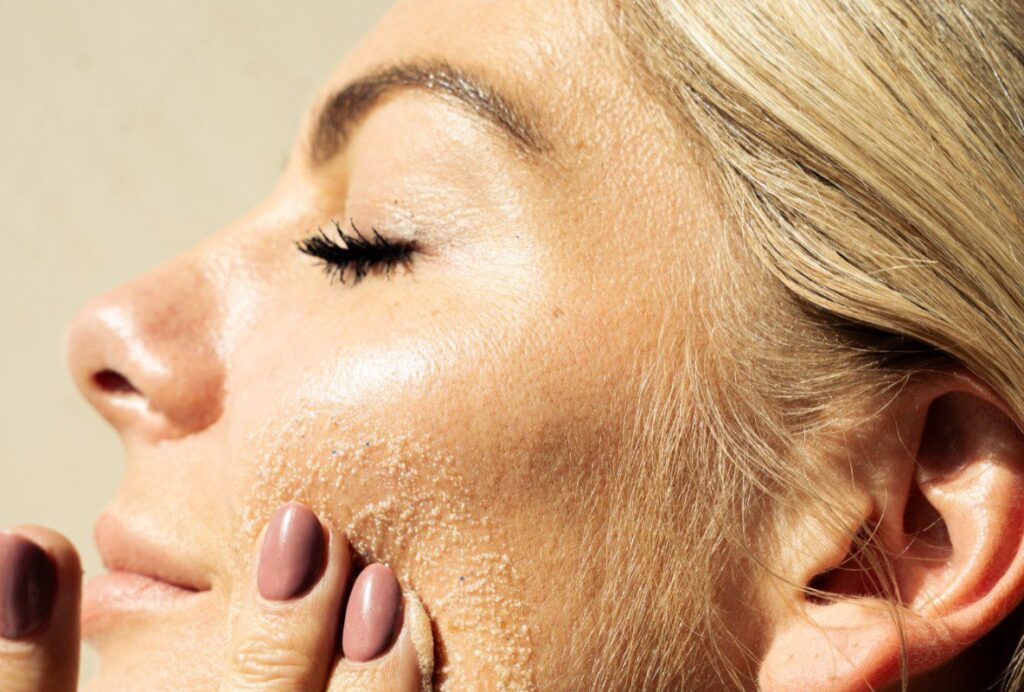
If you have normal to oily skin prone to acne, or if you want to work preventively against skin aging, this step is important. An exfoliant is a product that contains (fruit) acids or retinol. This product has an exfoliating effect, meaning it stimulates skin cell renewal and reduces the layer of dead skin cells. This reduces the chance of blockages in the skin, gives the skin a nice glow, and can stimulate collagen in the skin. Exfoliating products we recommend are the Dual + and Activabiome from Dermaceutic, Retinol Bright skin 0.25% or 1% from Felice.
Step 3: Hydrating
Last but not least: Hydrating. This is very important for the skin because a healthy skin barrier is better able to protect against harmful external influences. When the skin is dry and the skin barrier is damaged, bacteria can penetrate more easily and cause inflammations like acne. A lack of moisture in the skin can also cause the sebaceous glands to overcompensate, increasing the risk of acne. An example of a good hydrating cream is the Hyal ceutic from Dermaceutic or the Repair cream L from Renophase.
Morning
Step 1: Cleansing
Start the day with a mild cleanser or micellar water to clean the skin without drying it out. At night, the skin detoxifies, making it important to clean your skin in the morning as well. After cleansing, your subsequent products can be better absorbed. Examples of a mild cleanser are the Lait nettoyant cleanser from Renophase or the Oxybiome toner from Dermaceutic.
Step 2: Protecting with antioxidants
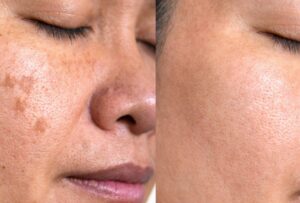
During the day, we encounter external factors such as air pollution, dust, UV radiation, and weather conditions. We also deal with internal factors such as stress and hormonal changes. These factors can lead to accelerated collagen breakdown and thus skin aging. They can also cause pigmentation spots and veins in the skin. To protect your skin against this, it is important to use a product with antioxidants during the day. Antioxidants protect the skin by neutralizing harmful free radicals, thereby preventing damage. Examples of products containing antioxidants are the Anti-oxidant day serum and the Vitamin C serum 20% from Felice, Tri Vita serum, and C25 cream from Dermaceutic.
The most well-known antioxidants are vitamin B3 (Niacinamide), vitamin C, and E.
- Niacinamide is a versatile ingredient. Using Niacinamide in your skincare has many benefits and is suitable for every skin type. It reduces redness, calms the skin, and has anti-inflammatory properties. This makes it a suitable ingredient for rosacea or couperose skin. Niacinamide also regulates sebum production. For people with oily skin or acne, Niacinamide is a great ingredient to balance sebum production. Additionally, Niacinamide supports the skin’s protective layer by stimulating the production of ceramides. This helps the skin retain moisture and prevents dehydration.
Finally, Niacinamide inhibits melanin production, helping to reduce pigmentation spots, dark spots, and an uneven complexion.
- Vitamin C is a powerful antioxidant that protects the skin against harmful influences such as UV radiation, air pollution, and stress. This helps prevent premature skin aging and damage. Vitamin C also inhibits the overproduction of melanin, helping to reduce hyperpigmentation, dark spots, and a dull complexion. This results in a more even and radiant complexion. Finally, Vitamin C stimulates collagen production, making the skin look younger and fuller, and fine lines and wrinkles less visible.
- Vitamin E is a natural moisturizer. It helps the skin retain moisture and protects against dehydration, keeping the skin soft and supple. It helps repair and strengthen the lipid barrier, making the skin more resistant to irritants and reducing moisture loss. This is especially beneficial for dry and sensitive skin types.
Step 3: Protecting with sunscreen
Sunscreen is one of the most important products in your skincare routine. It not only protects against sunburn but also plays a crucial role in preventing skin damage, skin aging, and even skin cancer.
Sunscreen protects your skin against UV rays, which come in two forms:
- UV-A (responsible for skin aging and wrinkles)
- UV-B (responsible for sunburn and increasing the risk of skin cancer)
Exposure to UV radiation accelerates the process of skin aging by breaking down collagen and elastin in the skin. This results in premature wrinkles, sagging, and a dull complexion. Additionally, pigmentation spots and veins appear more quickly due to sun exposure. Sunscreen helps reduce this damage and keeps your skin beautiful for as long as possible.
Heliocare products are suitable for every skin type, providing SPF50 protection against UV-A and UV-B radiation, infrared and blue light, and all visible light around us.
Conclusion
A good skincare routine does not need to consist of 10 steps, but it is essential for healthy skin. With the use of the right skincare, we can effectively address skin problems. However, it is important to use products that suit your skin type, as using the wrong products can have the opposite effect. Are you unsure of your skin type or would you like product advice? Schedule a free consultation so the Skin Therapist can assist you.