Almost everyone has experienced a pimple at some point. For some, it is a temporary issue during puberty, while others encounter it later in life. But what exactly causes acne? And more importantly: what can you do about it?
What is Acne and What are its Causes?
Acne is a common skin condition that arises from a combination of factors. The main causes vary per individual, but the most common ones are:
- Hormonal fluctuations: During puberty, your body produces more hormones, which makes the sebaceous glands more active. This results in increased sebum production and a thicker layer of dead skin cells. When sebum accumulates under the skin and bacteria are present, this can lead to inflammation and pimples.
- Adult hormonal acne: Even if you had clear skin during puberty, you can still develop acne later in life – often between the ages of 25 and 35. This primarily affects women and often manifests around the chin and jawline. This is also related to hormonal fluctuations, for example, due to menstruation, pregnancy, or discontinuing contraception.
- Genetic predisposition: Some individuals are genetically more susceptible to acne than others. If acne is prevalent in your family, there is a higher chance that you will also experience it.
- Lifestyle and external factors: Stress, lack of sleep, unhealthy diet, and the use of unsuitable skincare products can contribute to the development of acne. Certain medications or cosmetics can also clog the skin and cause inflammation.
What Can You Do about Acne?
Fortunately, there are various effective treatments and skincare routines that can reduce and control acne. In our clinic, we offer various treatments:
1. Professional treatments
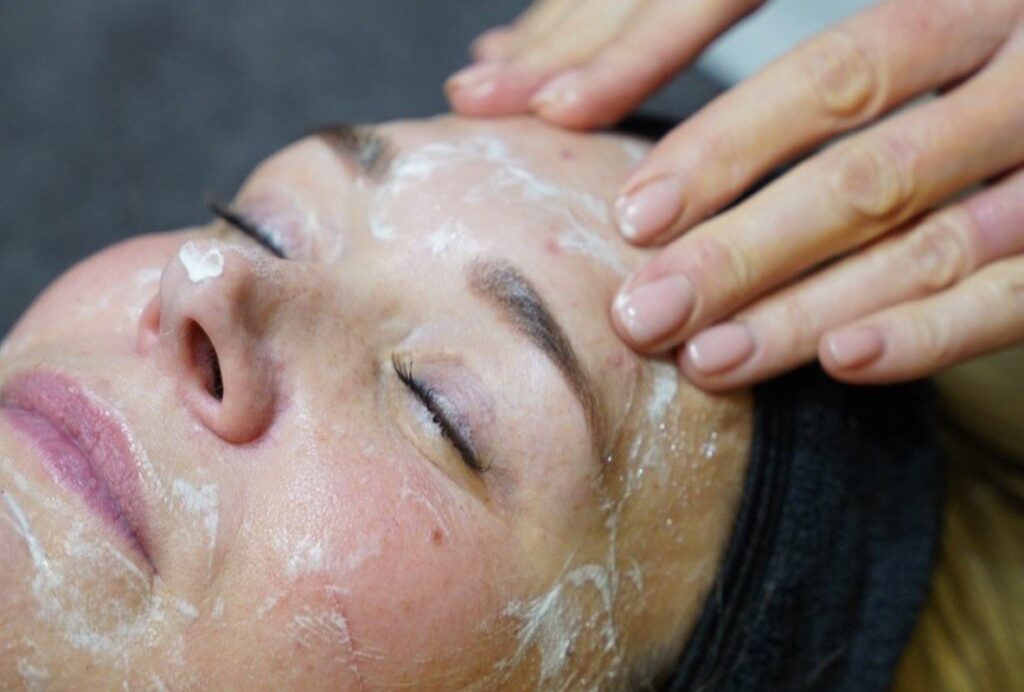
- Chemical peels: A chemical peel contains (fruit) acids that regulate sebum production and remove dead skin cells. This makes the skin smoother and reduces the chance of blockages and inflammation. For optimal results, we recommend a treatment every 4 to 6 weeks.
- Deep cleansing and extraction of pimples: During this treatment, impurities are carefully removed, reducing the chance of inflammation developing further.
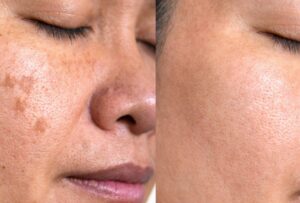
- Microneedling for scars and redness: Once acne is under control, we can address residual scars and redness. Using minuscule needles, we create tiny channels in the skin, which stimulates the natural healing process and promotes the production of collagen and elastin. As a result, scars fade and skin texture becomes more even.
2. At-home skincare
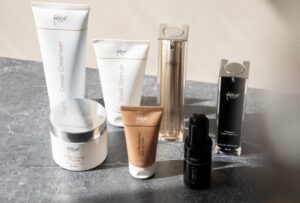
In addition to professional treatments, a consistent skincare routine is essential for healthy skin. Approximately 70% of your skin improvement stems from the right products and at-home care. We recommend the following:
- Daily cleansing: Wash your face twice a day with a mild cleanser suitable for your skin type to remove excess sebum and dirt.
- Hydration: Even acne-prone skin needs hydration. Choose a light, non-comedogenic moisturizer that will not clog the skin.
- Sun protection: Use an SPF30 or SPF50 daily, even in winter, to prevent skin aging and pigmentation caused by acne.
- Exfoliating with an exfoliant: An exfoliant with fruit acids (such as salicylic acid or glycolic acid) helps to remove dead skin cells and reduce inflammation. This acts as a mild peel that you can apply daily at home.
Please note: the use of incorrect products can worsen acne. Therefore, it is important to choose products suitable for your skin type. In our clinic, we are happy to assist you in compiling an effective skincare routine.
Do you want to get rid of your acne? We are happy to help you!
Are you suffering from acne and want to know which treatment and products are best suited for your skin? Make an appointment at our clinic for a skin analysis and personalized advice. Together, we will work towards healthy, radiant skin!
We hope to see you soon!